
Musty Smell in the Car That Won't Go Away? Where the Odor Hides
Quick Answer: A musty smell that keeps coming back almost always means moisture got trapped somewhere it cannot dry out, most often in the carpet padding, the seat foam, the cabin air filter, or the AC evaporator core. Spray fresheners only cover the smell for a few hours because they never reach the source. Getting rid of it for good means finding where the moisture is sitting, pulling it out completely, and treating the material underneath so mold and bacteria cannot keep feeding on it.
You crack the door after the car has been sitting in the driveway for a day, and that damp, sour smell hits before you even sit down. You have tried the cardboard tree, the spray can from the gas station, maybe even a bag of charcoal wedged under the seat, and none of it lasts more than an afternoon. By the next morning the smell is back, sometimes worse, especially once the heater or AC kicks on. That pattern, where the odor fades and returns on its own schedule, is a strong sign the source is not sitting on a surface you can wipe down. It is trapped somewhere inside the cabin, feeding on moisture that never fully dries.
Here is where that smell actually comes from, why it keeps returning no matter how many fresheners you burn through, and what it actually takes to pull it out rather than mask it.
What's Really Behind That Musty Smell
A musty odor is almost never one single thing sitting in one single spot. It is mold and bacteria growing on organic material, and both of them need the same two ingredients to thrive: moisture and something to feed on.
Where the moisture comes from
A wet dog after a lake trip, snowmelt tracked in on boots, a spilled drink that soaked into the carpet instead of getting fully extracted, a window left cracked during a rainstorm. Any of these can leave enough dampness behind to start the cycle, and once mold spores land on wet fabric or foam, they only need a short window to establish themselves and begin producing that sour, musty compound you can smell.
Where the food source comes from
Carpet fibers, seat foam, headliner backing, and the dust and skin cells that settle into all of it give mold and bacteria plenty to feed on. A smell that started from one spilled coffee or one wet ski jacket can keep growing long after the original mess is gone, because the organisms do not need the original spill anymore. They just need the fabric to stay damp.
The Places the Odor Actually Hides
The surfaces you can see and reach are rarely where the real problem is sitting. The smell tends to live in layers you cannot get to with a towel and a vacuum.
Carpet padding underneath the visible carpet
Most vehicles have a foam or fiber padding layer sandwiched between the floor pan and the carpet you walk on. Liquid that soaks through the top layer gets trapped against that padding, and because there is no airflow down there, it can stay wet for weeks. This is the single most common hiding spot for a smell that will not quit.
Seat foam beneath the upholstery
A spill, a wet swimsuit, or sweat from a long summer drive can work its way through the seat fabric and into the foam cushion underneath. Surface cleaning never touches that layer, so the smell keeps resurfacing every time body heat warms the seat back up.
The cabin air filter
This filter sits behind the glovebox or under the hood and screens the air coming through your vents. It is designed to trap dust, pollen, and debris, which means it is also designed to hold onto moisture. A filter that has absorbed humidity and never fully dried becomes a growing surface that blows a stale, musty scent through the vents every time the fan comes on.
The AC evaporator core
Every time the air conditioning runs, condensation forms on the evaporator core the same way it forms on a cold glass on a warm day. That moisture is supposed to drain out through a small tube under the vehicle. When the drain gets partially blocked with debris, or when the evaporator simply does not get a chance to dry between uses, mold builds up right on the coil and gets pushed into the cabin with every blast of air.
Door pockets, cup holder wells, and the trunk
These low, closed-off spaces trap spilled drinks and damp gear where they cannot dry out on their own. A trunk that has held wet gear or a leaking cooler even once can hold onto that smell in the carpet lining for a surprisingly long time.
Why an Air Freshener Never Actually Fixes It
Every spray, hanging tree, or gel canister on the market is built to add a stronger scent to the air, not to remove what is causing the original one. When you spray a fresh scent into a cabin where mold is actively growing in the padding, you get two smells competing for a few hours, and the freshener always loses first. That is why the odor seems to fade right after you spray and then creeps back the next time you get in the car.
Masking products can actually make diagnosis harder, too. Once a strong fragrance has been layered over the problem for weeks, it gets tougher to tell where the original smell was strongest, which is often the fastest way to locate the source in the first place.
Tip: If you want a rough idea of where the smell is coming from before anyone touches the car, get in on a warm afternoon with the windows up for a few minutes and pay attention to where it seems concentrated, whether that is low near the floor, near a specific seat, or stronger right when the vents kick on. That single clue can save a lot of guesswork later.
Where This Shows Up More in the Inland Northwest
A few local habits make trapped moisture more common here than in a lot of climates.
Winter brings months of wet boots, melting snow, and slush tracked in on floor mats, and a lot of that moisture ends up in the carpet padding before it has a chance to fully dry, especially on short trips where the heater barely gets going. Summer brings its own version of the problem. Wildfire smoke season pushes a lot of drivers to keep windows shut and run the AC on recirculate for days at a time, which means the evaporator core is working overtime and rarely gets a dry cycle in between. Add in lake trips to Coeur d'Alene or Liberty Lake with wet gear tossed in the back, sweaty gym bags, and kids climbing in with damp shoes after sprinkler season, and most cabins in this region are picking up moisture from more directions than owners realize.
What a Thorough Fix Actually Looks Like
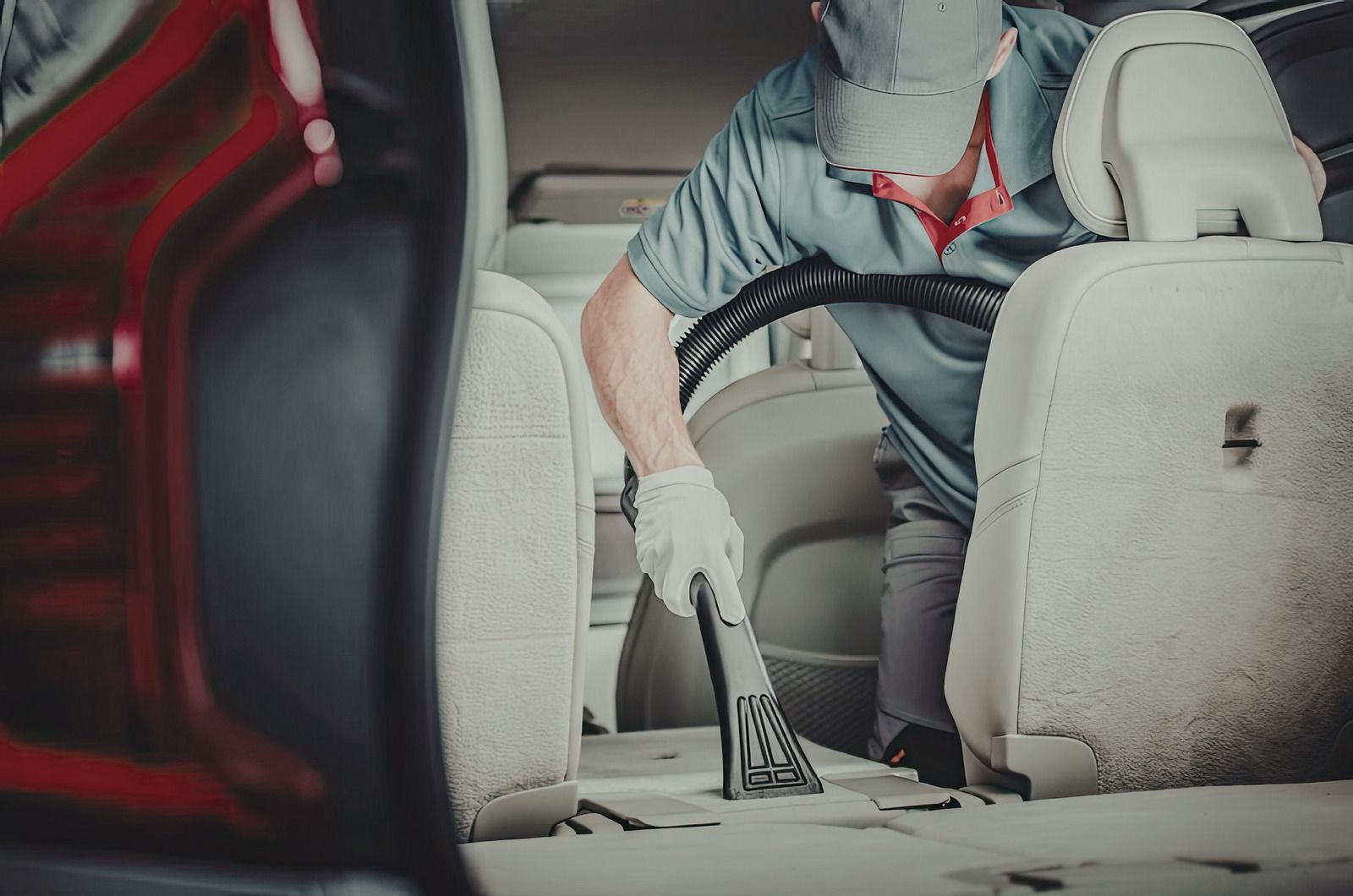
Getting rid of a musty smell for good is a process of removal, not coverage. It starts with finding where the moisture actually is, which sometimes means pulling back carpet or seat covers rather than guessing from the surface. Once the wet material is identified, it has to be properly extracted rather than just blotted, using equipment that can pull moisture out of padding and foam layers, not just the top fabric.
From there, the affected material gets treated with a cleaner formulated to break down mold and bacteria at the source rather than just perfuming over them, followed by a full, thorough dry-out. Skipping the drying step is one of the most common reasons a smell returns within a couple weeks. Damp material that gets closed back up in a sealed cabin is right back where it started, just with a fresh coat of cleaner on top. The cabin air filter and evaporator system need attention in the same pass, since treating the carpet while ignoring a moldy filter or a dirty evaporator coil just means the smell keeps blowing back through the vents.
Why Going Too Aggressive on Your Own Can Backfire
Warning: Bleach and heavy household disinfectants are not made for automotive fabric, foam, or vinyl, and using them inside a car can discolor upholstery, degrade foam, or leave behind a harsh chemical smell that lingers even longer than the original problem. Ozone treatments run without proper ventilation afterward can also leave a sharp residual odor and, if overused, can damage rubber seals and trim. If a DIY attempt has not worked after one or two tries, that is usually a sign the moisture source has not actually been removed yet, not a sign to reach for something stronger.
When the Smell Keeps Coming Back
If you have already vacuumed, shampooed the visible carpet, and run through a few different fresheners and the smell is still returning within days, that is a reliable sign the source is sitting below the surface where routine cleaning cannot reach it. At that point, chasing it with more spray only delays dealing with the actual moisture. Locating the wet layer, extracting it properly, and giving it a real chance to dry out completely is the only way the smell stops coming back on its own schedule.
Frequently Asked Questions
Why does the musty smell in my car get worse when I turn on the AC or heater?
A musty smell that gets stronger when the blower runs usually points to a damp cabin air filter or AC evaporator core. Moisture allows mold and bacteria to grow, and airflow carries those odors through the vehicle's vents.
Can a musty smell come back even after I've had the carpets shampooed?
Yes. Shampooing often cleans only the carpet surface while moisture remains trapped in the padding underneath. Until that deeper layer is fully extracted and dried, mold and bacteria can continue producing the same recurring musty odor.
Is a musty car smell always mold, or could it be something else?
Not always. While mold and bacteria are the most common causes, trapped moisture from a clogged evaporator drain, soaked seat foam, or an unnoticed spill can also create lingering odors until the moisture source is removed.
How long does it take for a musty smell to develop after something gets wet in the car?
A musty odor can begin developing within one or two days if moisture remains trapped. Warm temperatures, limited airflow, and closed windows create ideal conditions for mold and bacteria to establish themselves inside the vehicle.
Will just replacing the cabin air filter get rid of the smell?
Replacing the cabin air filter may reduce odors if the filter is contaminated, but it will not solve smells coming from damp carpet padding, seat foam, or the evaporator core. Those areas also require attention.
What's the best way to prevent the smell from starting again?
Prevent moisture from lingering by drying wet items before loading them, removing damp floor mats, cleaning spills promptly, and letting the blower run briefly before parking. Keeping the cabin dry greatly reduces the chance of recurring odors.
Getting the Cabin Back to Fresh
A musty odor that keeps returning is almost always a sign that moisture remains hidden somewhere beneath the surfaces you can see. Until the trapped water is removed from carpet padding, seat foam, ventilation components, or other enclosed areas, mold and bacteria continue producing the same unpleasant smell no matter how many cleaning products or air fresheners are used. Lasting odor removal depends on eliminating both the moisture and the conditions that allow it to keep coming back.
With 20
years of experience serving Spokane, WA, Schmidt's Auto Detailing
understands how persistent interior odors develop and where they typically hide inside modern vehicles. Careful inspection, thorough moisture removal, complete drying, and attention to every affected area restore the cabin rather than simply covering the odor. Addressing the source instead of the symptom helps the interior remain cleaner, fresher, and more comfortable through changing seasons and everyday use.