
The Importance of Vinyl Cleaning for Interior Longevity
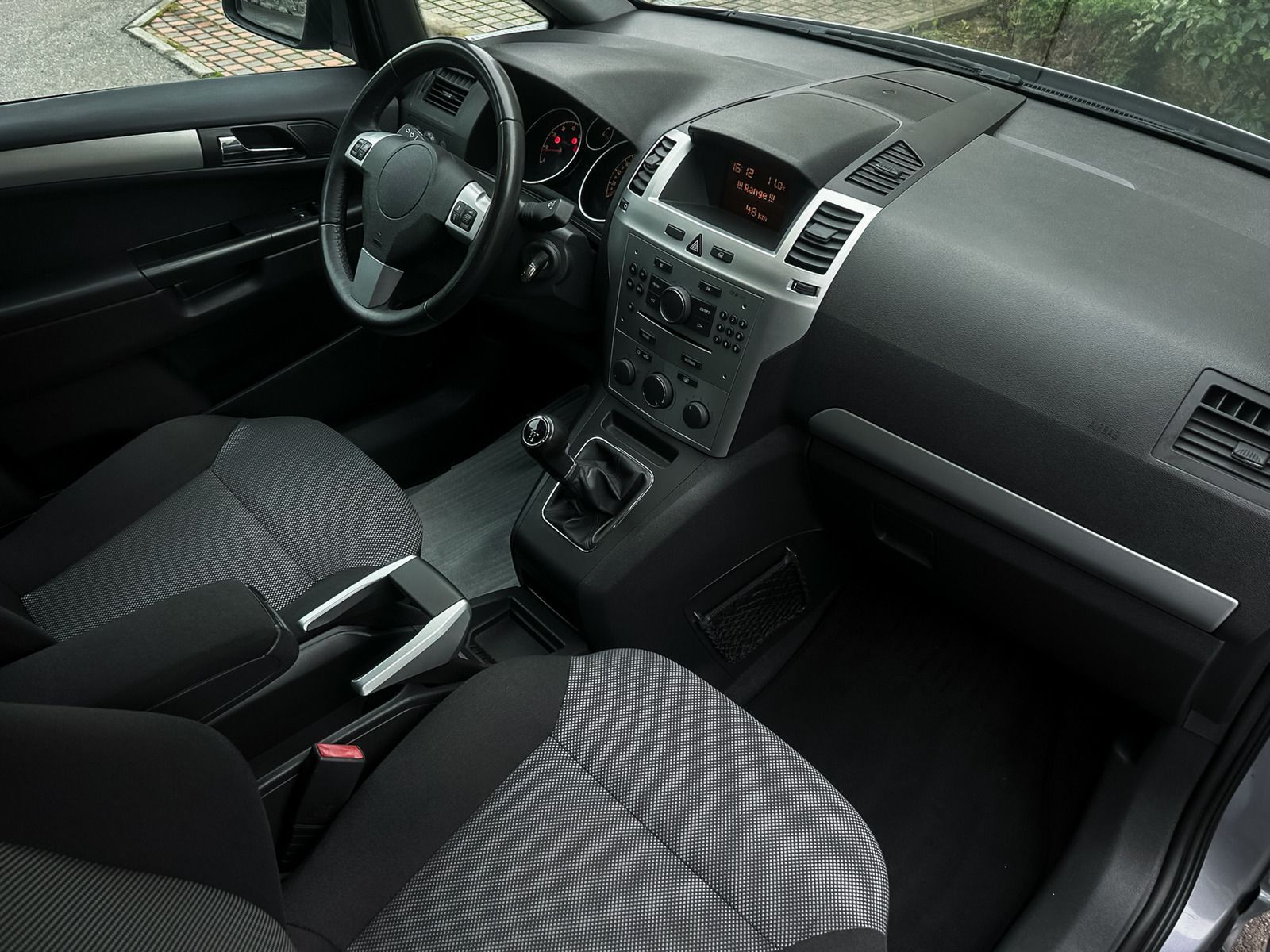
You climb into your car after it has sat in the sun for a few hours, and the dashboard feels hot and slightly tacky under your fingers. Maybe you notice a thin white film on the door panels, or a hairline crack running across the top of the dash that wasn't there last summer. None of this happened overnight. Vinyl interiors break down gradually through heat, friction, and chemical exposure, and by the time you can see the damage, the material underneath has already lost a good portion of its flexibility.
The good news is that most of this damage is preventable, and a lot of it is reversible if you catch it early. Vinyl that is still pliable can usually be restored through proper cleaning and conditioning. Vinyl that has already hardened and cracked through the surface is a different story. Knowing which stage your interior is in changes everything about how you should approach it, and that's exactly what we walk through below.
What's Actually Damaging Your Vinyl
Direct sunlight is the single biggest factor working against your interior, and it does more than fade color. Dashboard surfaces in direct sun can reach temperatures well above 180 degrees Fahrenheit, and that heat cooks the plasticizers inside the vinyl, the chemical compounds that keep it soft and flexible. Once enough plasticizer evaporates out, the material stiffens permanently. We typically see noticeable stiffening begin within two to three years on vehicles that sit outside daily without any protection.
A few secondary causes get misdiagnosed almost as often as UV exposure gets ignored. Dust and grit act as a fine abrasive every time you wipe the surface, slowly dulling the finish and opening tiny pores that trap moisture. Skin oils, lotions, and hair products transfer onto vinyl through normal contact and break down the surface coating from the inside. And ammonia based cleaners, the kind found in a lot of household glass and surface sprays, strip plasticizer out of vinyl far faster than sunlight alone, sometimes producing visible cracking within a few months of regular use.
How We Inspect Vinyl During Every Detail Appointment
We start every inspection with a flexibility check, pressing a thumb into the surface to feel how much give the material still has. Vinyl that springs back easily is in good shape. Vinyl that feels stiff or shows a faint white crease where it was pressed is already losing plasticizer.
From there we look for chalking, a powdery white residue that rubs off on a cloth and signals the surface coating is breaking down. We check high UV zones separately from shaded zones, since the driver side dash and rear deck almost always show more wear than the passenger side or door panels tucked under trim. We also run a strong angled light across the surface to catch fine cracking that's invisible under normal lighting, since catching it at this stage is what allows a cleaning and conditioning treatment to actually work instead of just masking the problem.
Cleaning Now Versus Replacing Later
Honest answer: sometimes a deep clean and conditioning treatment restores vinyl for years, and sometimes the material is already past the point where cleaning can help. Here's how to tell the difference. If the vinyl still flexes under light pressure and the damage is mostly surface fading or chalking, a proper cleaning routine combined with a UV protectant will usually bring back most of the color and texture, and that improvement tends to hold for six to twelve months before another treatment is needed.
If the vinyl has hardened to the point where it no longer flexes, or if you can see cracks that go through the surface rather than sitting on top of it, cleaning will not reverse that. At that stage the material has lost too much plasticizer to absorb a conditioner properly, and the next step is usually a vinyl repair or reupholstery conversation rather than another cleaning cycle. Catching the problem while the vinyl still flexes is the difference between a quick maintenance visit and a much bigger repair down the road.
A Vinyl Care Routine That Actually Holds Up
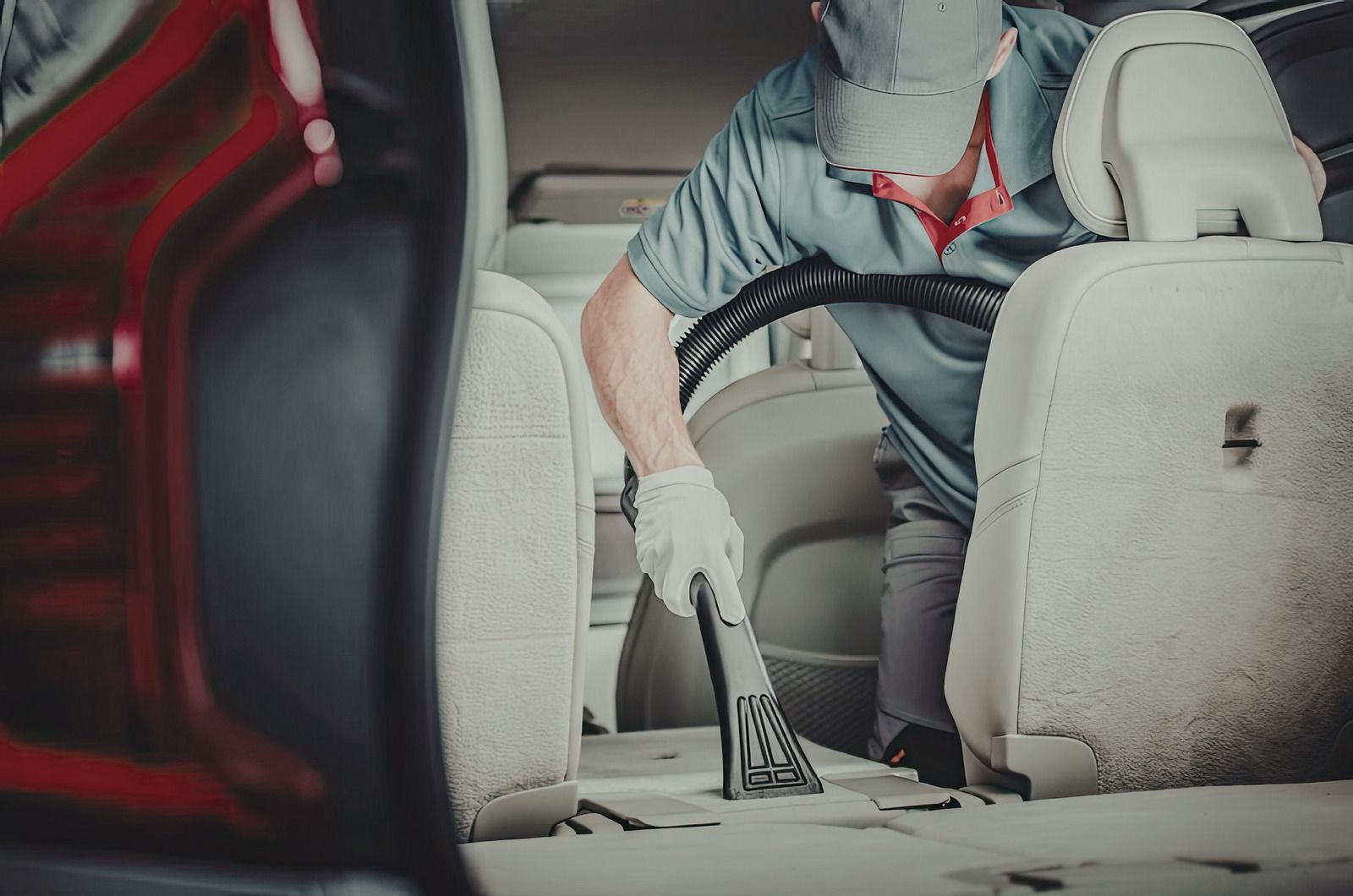
A wipe down every week or two with a soft microfiber cloth keeps loose dust from acting as an abrasive every time you brush against the surface. A proper deep clean once a month using a pH balanced vinyl cleaner removes oils and grime that a quick wipe leaves behind. Every three to four months, a conditioning treatment replenishes the plasticizers that heat and sunlight pull out, and applying a UV protectant on that same schedule slows down the fading and stiffening process significantly.
Cracking a window an inch or two when the car is parked in heat lets trapped air escape instead of baking the dashboard from the inside, and a simple sunshade across the windshield can drop interior surface temperatures by a noticeable margin on hot days. None of these habits take more than a few minutes, and together they're the reason some interiors still look new after a decade while others crack within three years.
Mistakes We Catch on Almost Every Service Call
Reaching for whatever cleaner is already under the sink is understandable since it's convenient and already in the house, but ammonia based glass and surface cleaners strip the same plasticizers that keep vinyl soft, which is exactly why so many cracked dashboards trace back to years of glass cleaner being used as an all purpose spray.
Skipping conditioner because the vinyl "looks fine without it" is another common one, mostly because the damage from skipping it doesn't show up for a year or two, so the connection isn't obvious. By the time stiffening becomes visible, the plasticizer loss has already been happening for a while.
Pressure washing interior panels feels efficient, but forcing water into seams and stitching traps moisture against the vinyl backing, which leads to a musty smell and weakened seams well before the visible surface shows any damage.
Frequently Asked Questions
How often should you clean vinyl interior surfaces?
A quick wipe every week or two prevents dust buildup, while a full deep clean once a month removes oils and grime that accumulate from normal contact. Conditioning every three to four months keeps the plasticizers replenished so the material stays flexible instead of gradually stiffening between treatments.
Is cracked dashboard vinyl a safety issue?
Cracked vinyl itself isn't usually dangerous, but sharp edges along a crack can scratch skin, and severe cracking near airbag covers can interfere with proper airbag deployment. If you notice cracking near an airbag panel, have it inspected rather than continuing to drive with it.
Can ordinary household cleaners damage vinyl?
Yes, especially anything containing ammonia, which is common in glass and multi surface sprays. These products strip the plasticizers that keep vinyl flexible, often causing visible stiffening or cracking within months of regular use, even though the cleaner seems gentle on other surfaces.
Does parking in the shade really make a difference?
It makes a significant one. Dashboard surfaces in direct sun can reach temperatures well over 180 degrees, while shaded interiors stay dramatically cooler. Consistent shade or a windshield sunshade slows plasticizer loss enough to noticeably extend how long vinyl stays soft and crack free.
How long does a vinyl conditioning treatment last?
A quality conditioning treatment typically holds for six to twelve months depending on sun exposure and how often the vehicle is cleaned in between. Vehicles parked outside daily in strong sun usually need conditioning closer to the six month mark to stay protected.
Trusted Vinyl Care Backed by Two Decades Experience
Vinyl tells you exactly where it stands if you know what to look for: flexible surfaces can almost always be restored, while hardened or cracked vinyl is past the point cleaning alone can fix. Catching that difference early is what separates a quick refresh from a full replacement, and it's the same judgment call we make on every vehicle that comes through our shop. With 20
years of hands on detailing experience, Schmidt's Auto Detailing
has
restored vinyl interiors
at every stage of wear, from light fading to dashboards that were just months from cracking through. If your interior is starting to feel stiff, dull, or chalky, we're ready to take a look and tell you honestly what it needs.