
Road Salt and De-Icer Eating at Your Car's Finish All Winter? What to Do
Quick Answer: Road salt, sand, and liquid de-icer are corrosive and abrasive, and together they wear down your car's clear coat, then the paint, then the metal underneath. The brine created when salt mixes with melting snow can start corrosion within days and seeps into chips and seams where it is hard to rinse out. The fix is to keep a protective barrier on the paint before winter, wash the salt off every one to two weeks including the undercarriage, and treat any chips before they turn into rust spots.
You pull the car into the driveway after a run down a freshly treated road, and the whole lower half is coated in a chalky white film that dries into streaks. A week later the paint looks dull where it used to shine, the wheels are crusted with gray grime, and there is a gritty feel to the finish when you run a hand across the door. That film is not just dirty water. It is a mix of road salt, sand, and liquid de-icer, and it does not simply sit there looking ugly. It goes to work on your finish.
Around the Inland Northwest, crews treat the roads through the whole cold stretch, and the brine they lay down clings to everything that drives through it. The reason your car looks worse in February than it did in October is not your imagination. Here is what road salt and de-icer are actually doing to your finish over a long winter, why the damage starts sooner than most owners expect, and what you can do to keep it from turning into something permanent.
What Road Salt and De-Icer Actually Do to Your Finish
The white crust on your panels is a cocktail of three things, and each one attacks the paint in a different way.
The brine that keeps forming
Salt on its own is not the whole problem. The trouble starts when it mixes with melting snow and slush to form a brine. That salty water is highly corrosive, and it eats away at metal components, paint, and clear coats. Because it is liquid, it spreads into every seam, crevice, and low spot on the body and stays there long after the visible slush has dried off. Every time the temperature bumps above freezing and the crust gets damp again, the corrosion process wakes back up.
Sand's abrasive side
Crews spread sand for traction, and while sand does not corrode anything, it grinds. Fine grit kicked up off the road acts like sandpaper against your clear coat. Over a season it leaves the finish micro-scratched and hazy, which is part of why paint that was glossy in fall looks flat and tired by late winter. Those tiny scratches also give salt and brine an easier path down into the layers below.
Where the de-icer chemistry bites
The liquid de-icers used across Washington and North Idaho are typically calcium chloride or magnesium chloride, chosen because they keep working at lower temperatures than plain rock salt. Those same chemicals are aggressive on a car. They can penetrate the clear coat and start breaking down the layers underneath, which is how a finish goes from a cosmetic film to actual paint deterioration if it is left on long enough.
Why the Damage Starts Faster Than You Think
Plenty of owners figure a salty car is fine until spring, when they will finally give it a good wash. The timeline is a lot shorter than that.
Salt can begin corroding metal within days once moisture is present, and moisture is almost always present in a Spokane winter. Between melting snow, slush, freezing fog, and the daily thaw-and-refreeze cycle, the brine on your car rarely gets a chance to fully dry out and go dormant. Instead it stays damp and active, working on the clear coat and creeping into any opening it can find.
The finish itself gives it those openings. Once the clear coat is worn thin or nicked, the salt reaches the color coat and eventually the bare metal, where it shows up first as micro-scratches and small chips that trap grime, then as bubbling paint or reddish-brown staining around the edges. By the time you can see rust, the corrosion has usually been underway for a while beneath the surface. Catching it at the film stage is a completely different job than dealing with it after it has bitten into the metal.
Tip: After a storm passes and the roads dry out, that is the best window to rinse the car, not the middle of the freeze. A quick rinse right after a storm cycle ends clears off the heaviest concentration of salt before it has days to sit and work. Even a hose-down in the driveway between full washes keeps the buildup from compounding.
The Spots Where Salt Does Its Quiet Work
The damage is rarely spread evenly. Salt and brine collect in specific places, and those are the areas that fail first.
The lower panels and rocker area. Everything the tires throw up lands on the bottom third of the body: the rockers, the lower doors, the bumpers. This is where the brine sits thickest and where you tend to see the finish go dull and chalky first. It is also the hardest area for a quick drive-through wash to reach properly.
Wheel wells and the undercarriage. Snow and slush pack into the wheel wells and freeze into a gray concrete that grinds against the liners and traps salt right up against metal. Underneath, the frame, brake lines, and suspension parts catch constant salt spray. Out of sight is exactly where corrosion likes to get a head start, because it is the part almost nobody rinses.
Chips, scratches, and edges. A rock chip on the hood or a scuff on a door edge is not just cosmetic in winter. It is an open door. Brine seeps into that opening, sits against exposed metal, and starts rusting from the inside of the chip outward. The same goes for panel edges and seams where the coating is naturally thinnest.
Why a Heated Garage Can Backfire
Parking a salty car inside feels like the responsible move, and usually it is. There is one version of it that works against you, though, and it catches a lot of people off guard.
If you pull a wet, salt-covered car into a heated garage and let it sit, the warmth speeds up the chemical reaction that drives corrosion. The snow packed in the wheel wells melts, the brine goes liquid again, and now it is sitting against your metal in warm, damp conditions for hours instead of staying frozen and relatively inert outside. A cold car with frozen slush on it is actually corroding more slowly than a warm one dripping brine onto the floor. The garage still helps overall, since it keeps fresh salt spray off the car, but the benefit assumes you are rinsing the salt off rather than letting it thaw and stew.
Warning: Do not wash your car when the temperature is below freezing. Water can freeze in the door locks, on the brake calipers, and in the weather stripping, leaving you with stuck doors or components that crack. Wait for the temperature to climb above freezing before doing a full wash, and make sure the car is dried and the doors are worked so nothing freezes shut afterward.
How to Keep Salt and De-Icer Off the Paint
You cannot avoid the treated roads if you drive here in winter, so the goal is to keep the brine from ever bonding to the paint and to get it off quickly when it does. A handful of habits carry most of the load.
Wash on the right schedule. Frequent washing is the single most effective defense. Through the salty months, aim to wash roughly every one to two weeks so the buildup never gets a chance to sit and work. Skip the wash in a hard freeze, and hit it on the next day that climbs above freezing instead. Consistency matters more than any single deep clean.
Get a barrier down before the first storm. A layer of quality wax, sealant, or ceramic coating sits between the brine and your clear coat, so the salt contacts the barrier instead of the paint. The best time to lay it down is late fall, before the first real snow, so the finish goes into winter already protected. A ceramic coating in particular creates a slick, water-shedding surface that keeps salt and grime from bonding and makes the periodic washes far easier and more effective. A mid-winter refresh during a milder stretch helps keep that protection intact through the back half of the season.
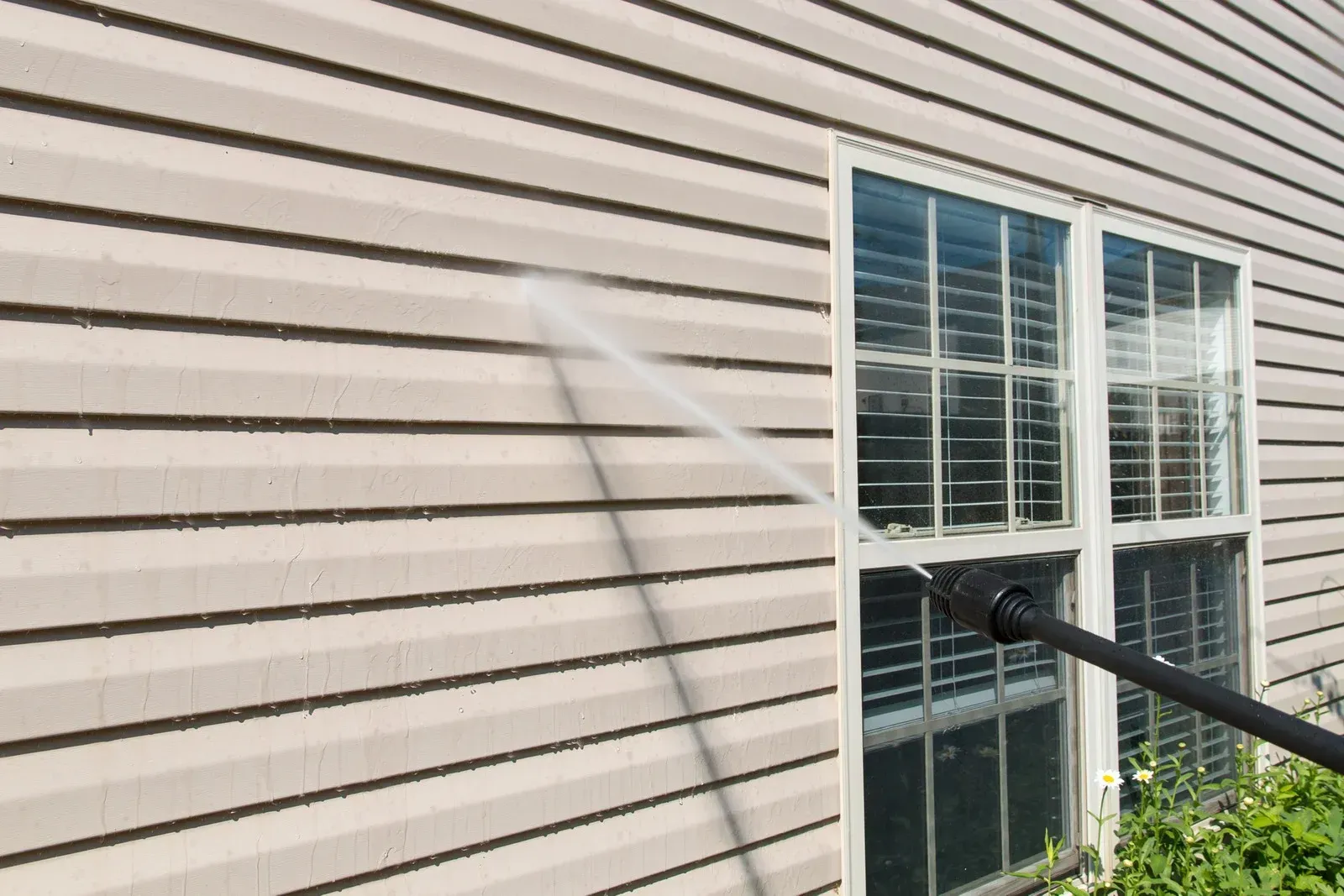
Do not skip the undercarriage. Since the underside and wheel wells catch the worst of the spray, a rinse that ignores them leaves the most vulnerable metal coated. Knock the packed snow out of the wheel wells before it hardens, using a soft brush rather than anything metal that would scratch, and make sure your wash routine flushes the undercarriage rather than just the panels you can see.
Deal with chips early. A chip or deep scratch is a corrosion entry point, so the sooner it is sealed the less chance salt has to get under the paint. Inspect the hood, lower doors, and edges through the winter, and address fresh chips before they have a chance to trap brine and start bubbling. On the interior side, all-weather rubber mats catch the salt and slush tracked in on boots before it soaks into the carpet and rusts the floor pan from inside.
Frequently Asked Questions
Does road salt really damage car paint, or is it just dirty?
It genuinely damages it. Salt mixes with melting snow into corrosive brine that wears down the clear coat. Once compromised, salt reaches the paint and metal, turning a dull film into scratches, bubbling, and rust.
How often should I wash my car in winter to protect the finish?
Wash roughly every one to two weeks during the salty stretch, and rinse after any big storm once roads dry. Remove salt before it works into the clear coat. Avoid washing during a hard freeze.
Is a ceramic coating or wax worth it for a salt-and-snow climate?
A protective layer helps because salt contacts the barrier instead of your clear coat. Wax gives shorter protection, while ceramic lasts longer and sheds water, keeping brine from bonding. Apply in late fall before storms.
Why does my car seem to rust faster if I park it in a heated garage?
Warmth speeds corrosion. A salty, wet car thaws in the heated space, so brine returns to liquid and sits against warm, damp metal for hours. The garage helps only if you rinse the salt off.
What are the early warning signs of salt damage I should watch for?
Look for a dull, chalky haze on lower panels, a gritty finish, and gray crust in the wheel wells. Serious signs include tiny scratches, chips trapping grime, bubbling paint, or reddish staining around panel edges.
The salt is the worst on the bottom of my car. Does the undercarriage matter for the finish?
Yes. The rockers, lower doors, wheel wells, and undercarriage catch the heaviest brine, where corrosion often starts unseen. Rinsing only visible panels leaves exposed metal coated, so a real winter wash must flush the underside.
Coming Out of Winter With the Finish Intact
Road salt, sand, and de-icer are not going anywhere as long as the roads need to stay drivable, and if you commute through an Inland Northwest winter your car is going to take a coating of brine over and over. What you can control is how long that brine gets to sit and whether it ever touches a bare clear coat. A finish that goes into winter with a solid protective barrier, gets the salt rinsed off every week or two including the underside, and has its chips sealed before they can bubble will come out the other side looking close to how it went in. A finish that is left to weather it will not. The difference is not luck, it is upkeep, and the sooner in the season you start the less there is to undo when spring finally arrives.
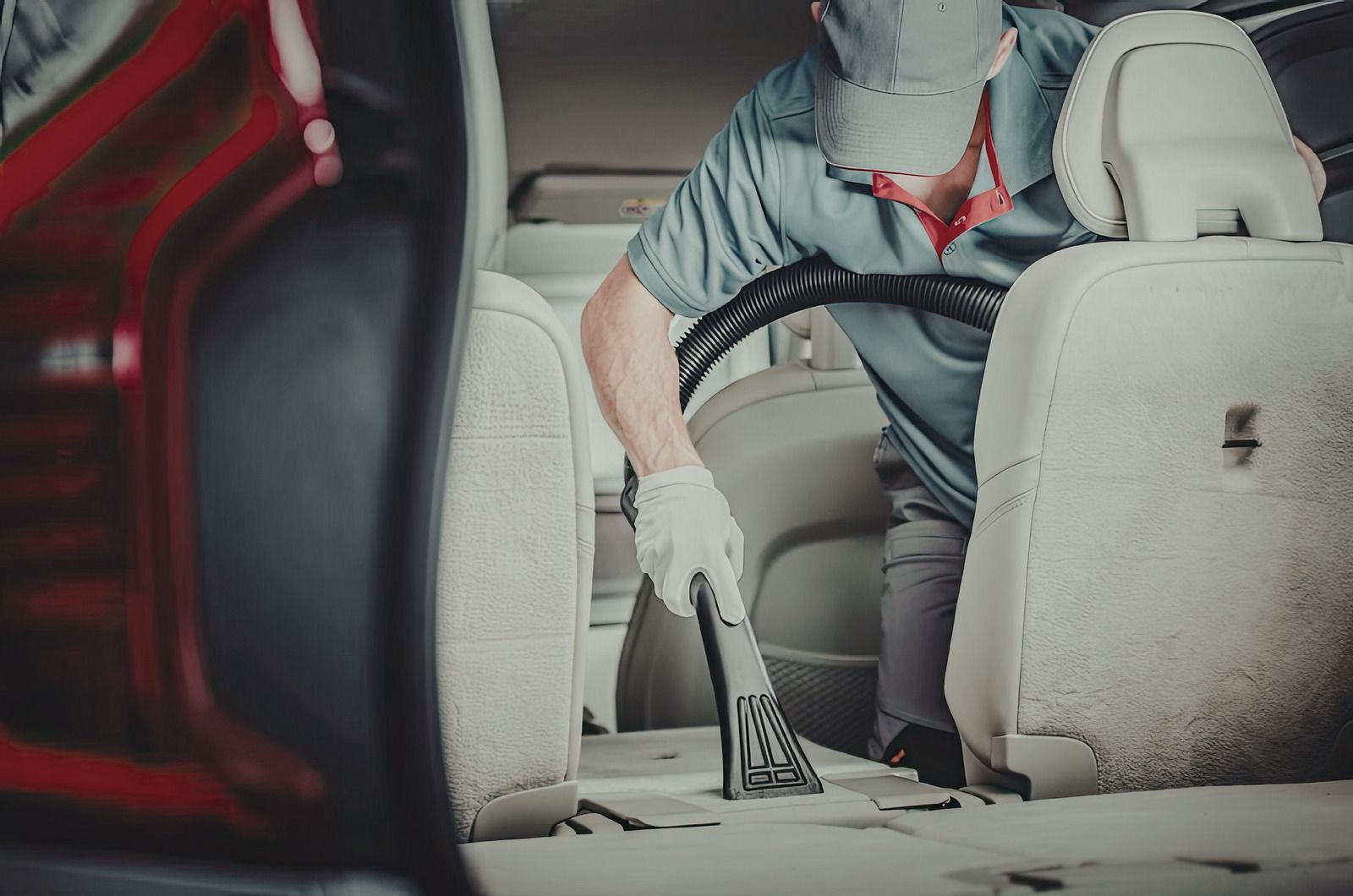
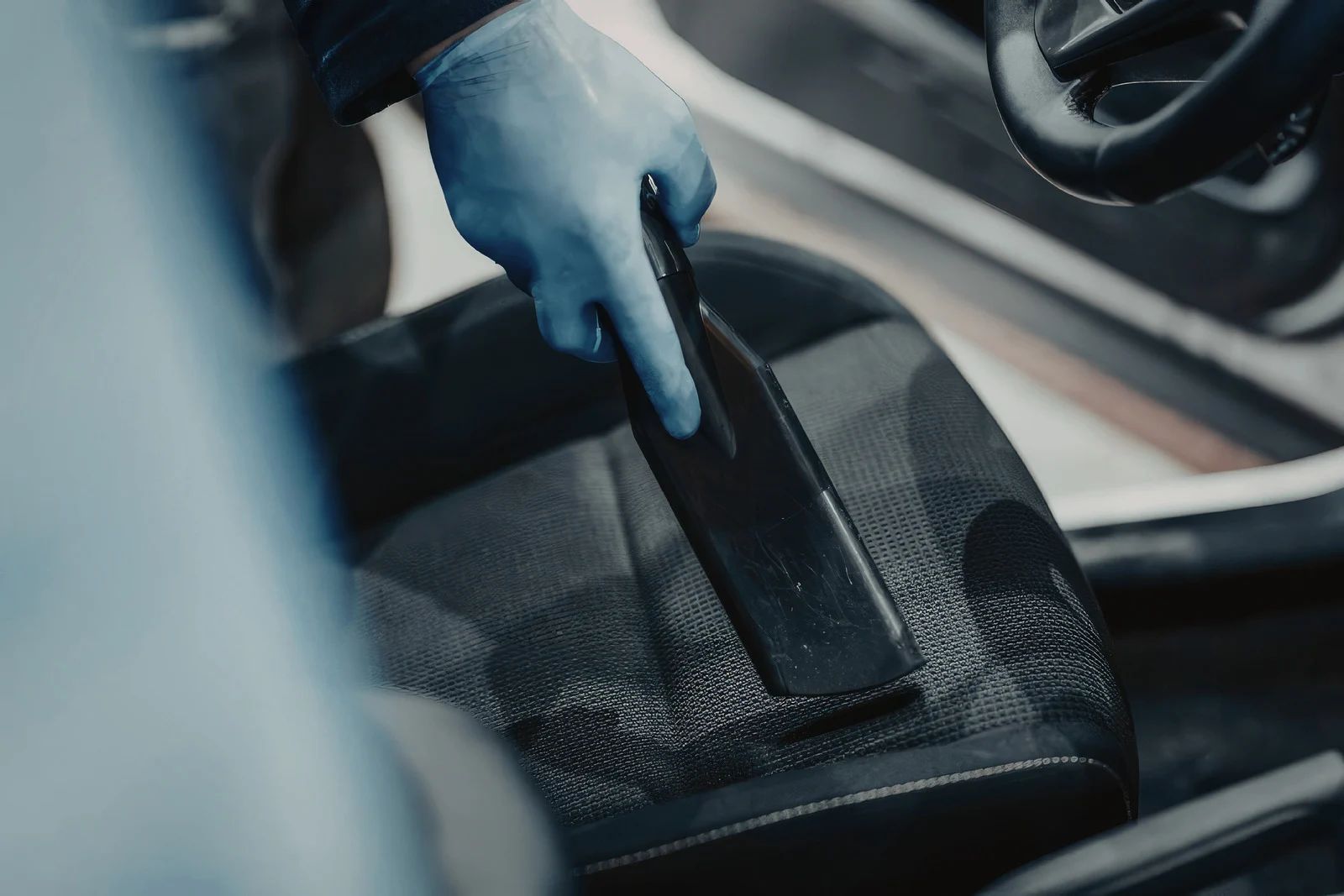
Protect your finish from a winter of salt and brine — Road salt and de-icer quietly wear down your clear coat, creep into chips and wheel wells, and turn into rust if the buildup is left to sit. The solution is a protective barrier paired with regular, thorough salt removal that reaches the undercarriage. Backed by 20 years of experience serving Spokane, Washington, Schmidt's Auto Detailing brings mobile wash, decontamination, and sealant or ceramic coating services directly to you. Every job is supported by certification in the latest detailing techniques and a 100% satisfaction guarantee. Reach out to schedule mobile detailing and head into winter with a finish that is ready for it.